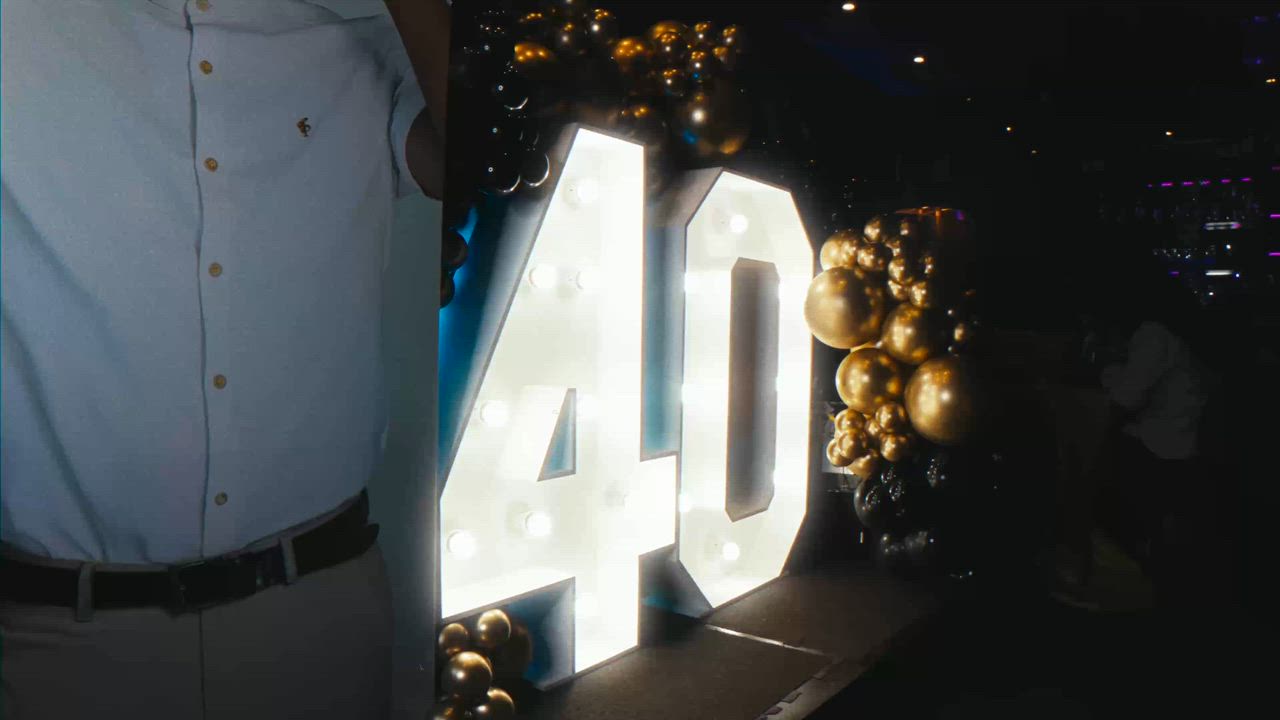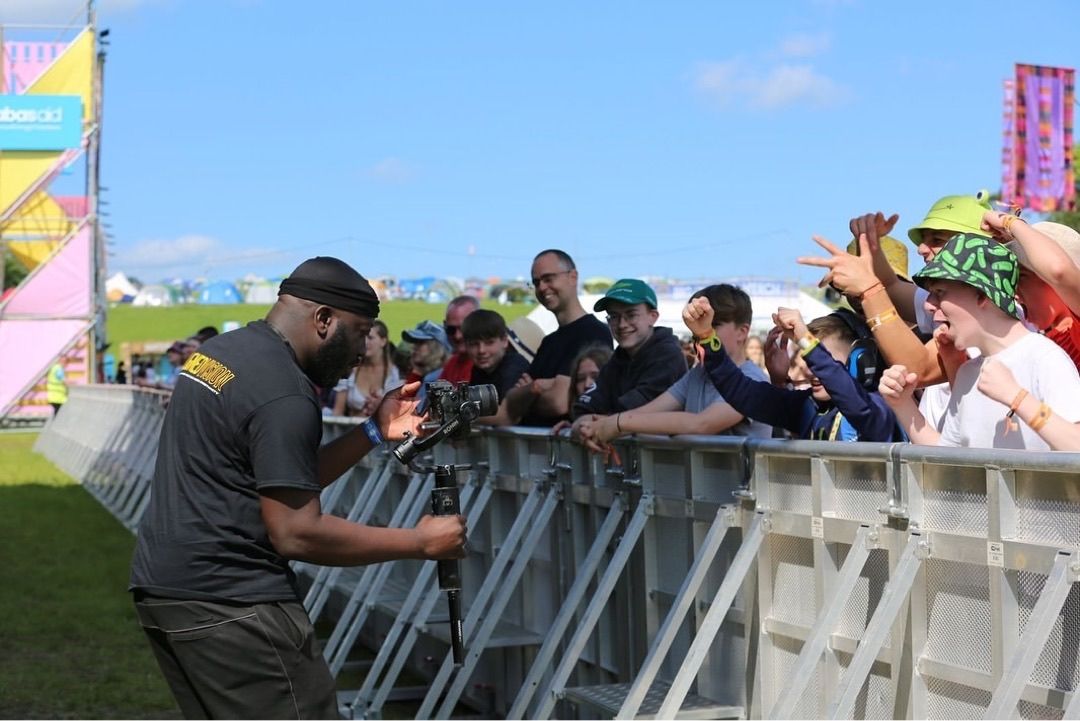
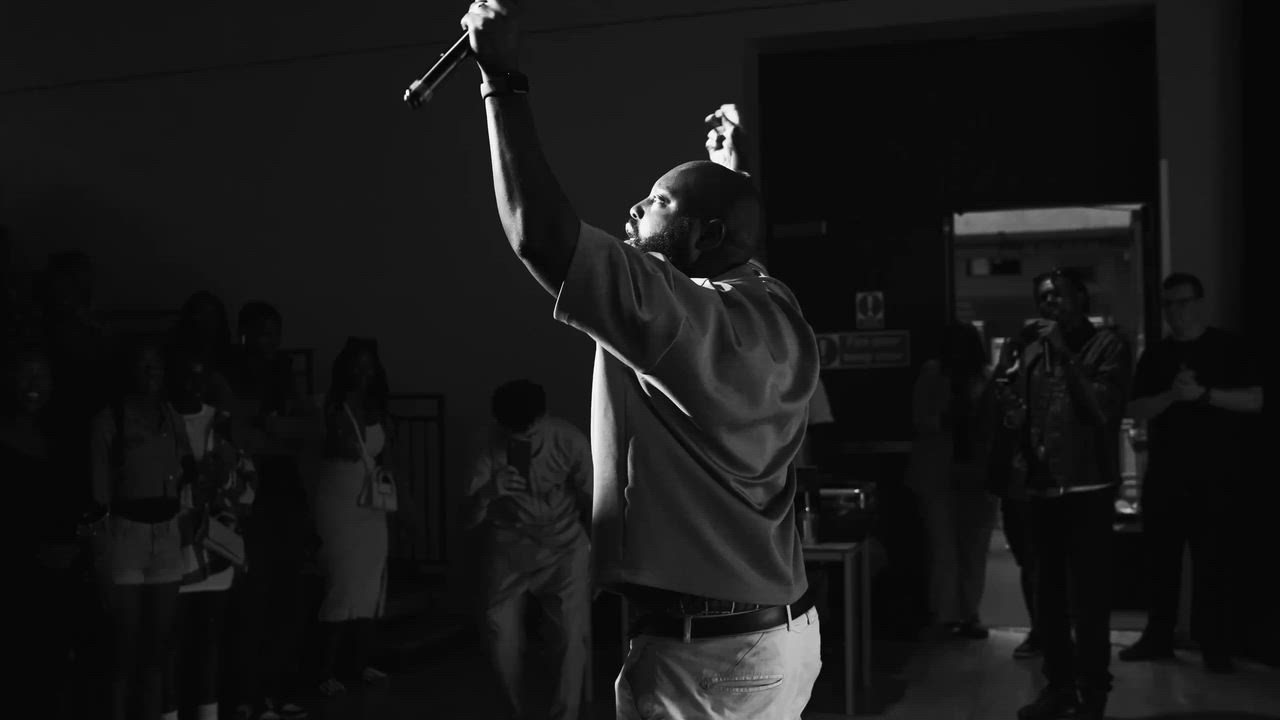
Dark rooms are hard to film because cameras need light to record detail, and adding light changes the room. For worship nights and concerts, Aligned Vision uses high-sensitivity cinema cameras and fast lenses, with no lights fixed to the cameras, so the atmosphere stays as the organisers planned it. Organisers can help by sharing the lighting plan, providing a feed from the sound desk and agreeing camera positions in advance.
Why low light is difficult
A camera in a dim room has to work harder to get a usable picture. Pushing its sensitivity up adds grain. Slowing the shutter adds blur to anything that moves. Stage lighting makes it harder again: a worship leader in a spotlight can be far brighter than the people in front of them, and coloured LED washes can lose detail in faces.
The easy fix would be to put a light on the camera. At a worship night, that light lands on people in the middle of prayer or worship, and it flattens the look the lighting team has built.
How we film in the dark
Our help centre describes low-light environments such as clubs and concerts as one of Aligned Vision’s specialisms. The crew uses high-sensitivity cinema cameras and fast lenses built for low light. Fast lenses let in more light, which means less need to push the camera’s sensitivity. There are no intrusive on-camera lights to disturb the atmosphere.
What organisers can do
Share the lighting plan
Send the lighting plan and cue sheet in advance, or put the crew in touch with whoever runs the lights. Flag:
- haze or smoke
- strobes and fast flashing effects
- blackouts or moments when the house lights go fully down
- moments that should look different, such as a quiet response time after the preach
Ask whether the worship leader and any speaker can have some front light throughout. A small amount of front light helps faces show up on camera.
Take sound from the desk
In a loud room, a camera’s own microphone picks up the room and the crowd. A feed from the sound desk carries the band and vocals properly. Arrange it with your sound engineer before the night.
Plan the camera angles
Plan for a wide shot of the whole stage, a closer shot of the worship leader or artist, and a view of the band. A shot of the room shows the size of the gathering.
The number of angles depends on the package:
- On our event coverage page, the Professional package (£850) has two camera operators. Complete production (£1500) has a three camera team and multi-angle cinematography.
- On our live streaming page, Professional streaming (£1000) offers up to 4 camera angles and lists worship nights and concerts among the events it suits. Broadcast Stream (£3000) offers up to 8 angles, including roaming.
Agree where cameras can stand without blocking sightlines or fire exits. Tell the crew if the stage layout changes between acts.
Be careful with close-ups of the congregation
People respond to worship in personal ways, and a close-up of someone in tears or on their knees can end up online for years. Wide shots of the room and shots from behind carry less risk. Agree with the crew which shots are fine, put notices at the doors and offer seating the cameras won’t cover. Our post on consent and safeguarding for church live streams sets out the steps.
Check your music licences
CCLI’s page on PRS for Music and PPL church licences says you need permission to play or perform music outside your worship services. It says the PRS for Music Church Licence covers up to six live music performances a year, such as concerts or recitals, outside worship services. If you hold more than six, you need a licence directly from PRS for Music. If your worship night is closer to a concert than a service, ask CCLI which licence applies.
PRS for Music licences are tied to the venue. If the event is in a hired venue, that venue needs its own cover, even if your church holds a PRS for Music Church Licence.
Streaming the night online is a separate question. Our post on the CCLI Streaming Licence explains what that licence covers.
After the night
Low-light footage needs careful grading so the dark areas stay dark and faces stay natural. Our event coverage page lists professional post-production, with colour grading and sound design. The level of editing depends on the package: Standard coverage includes basic editing, and the Professional package adds full colour grading. If you want a short film to promote the next event, our guide to event highlight videos covers length, music and turnaround.
The event coverage page shows clips from our event work, and the portfolio page shows our music videos. To book filming for a concert or worship night, contact us with the date, venue and a rough running order.